



Ana Stojilovska, Sára Szabó, and Lili Szücs participated in the closing event of the WISE (Women in Solidarity for Energy) project in Brussels on 9 June 2026 with three presentations: a housing-focused presentation for the New European Bauhaus Festival, a presentation about the WISE implementation in Hungary, and a Workshop about engagement with local actors to address energy poverty. This marked the end of the WISE project that aimed at raising awareness about the gendered aspects of energy poverty faced by single women in Europe. CSS was the Hungarian partner in the consortium.
First, Ana gave a presentation entitled "Housing as a Key Element of the Low-Carbon Transition" at the satellite event of the New European Bauhaus Festival. It drew on the Trust to Transition toolkit prepared as part of the LIGHT (Local Initiatives for Green Housing Transitions) project. The presentation showed how housing can act as a key element of the low-carbon transition, especially for disadvantaged groups in Hungary. It focused on the needs of migrants, single mothers, and Roma communities, and argued that affordable housing and low-cost improvements can support inclusion in sustainable communities.
The overall message was that decarbonization should not be treated as a purely technical process, but as one that must respond to lived experience and social inequality. The presentation pointed to low-cost, small-scale measures such as painting and thermal comfort packages as tangible starting points for support. It also argued that policies must be intersectional, that disadvantaged groups should receive upfront financial support rather than being expected to pay in advance or take out loans, and that trust-based partnerships are essential.
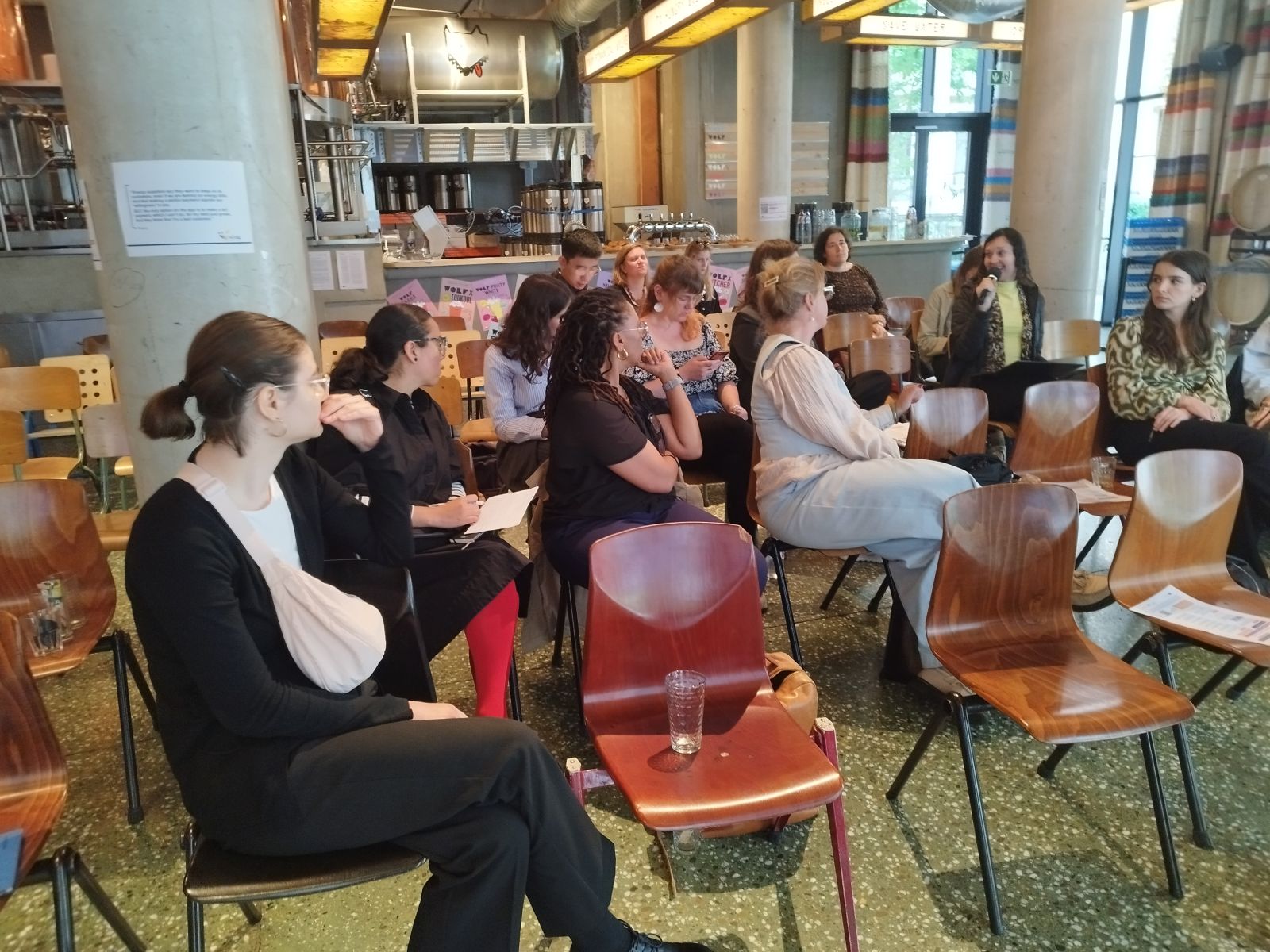
Second, Sára presented the work of the Hungarian team in the WISE project, which was implemented with a strong gender and social justice perspective in Hungary. The project combined research, outreach, and participatory activities aimed at understanding and addressing energy poverty through a gender-sensitive lens. Awareness-raising was also a central objective. In cooperation with Habitat for Humanity Hungary, a public film screening was organized in Budapest, part of WP4, engaging a wider audience on energy poverty and its gendered dimensions. In addition, workshops were held at Eötvös Loránd University, targeting both Hungarian and international students (WP5).
A major part of the project focused on direct engagement with women affected by energy poverty. Online workshops as part of WP6 (in Hungarian and English) addressed topics such as housing and energy rights, social rights, residence permits, and employment barriers. For WP8, a photovoice methodology was used with single mothers, combining photography and storytelling to document everyday experiences related to energy use, housing, transport, care responsibilities, and cost of living.
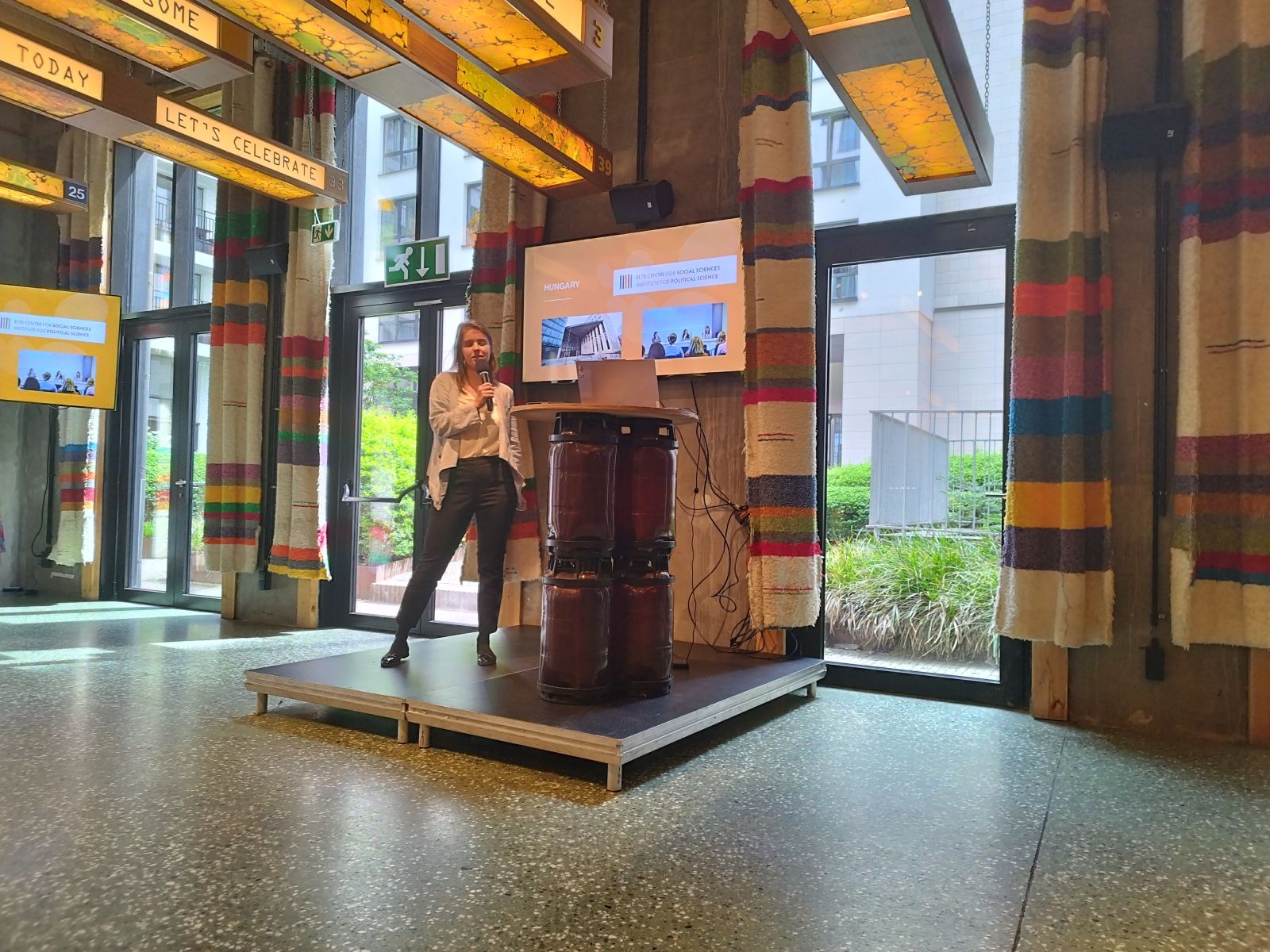
The project concluded with a scientific conference in Budapest (WP9), bringing together researchers, social workers, activists, and practitioners. The discussion framed energy poverty as part of broader women’s poverty and structural inequality. The presentation also included a pop-up exhibition of photographs produced by participants as part of WP8, further translating lived experience into public dialogue.
Third, Ana, Sára, and Lili co-organized and moderated the workshop "Working with Local Actors to Address Intersectional Energy Poverty". The workshop’s focus was on intersectional approaches to understanding energy poverty and helping meet the needs of marginalized women in Hungary, particularly Roma women and single mothers, whose experiences are shaped by overlapping forms of exclusion linked to gender, ethnicity, and family status. It also presented how working with local actors can help reach out to these marginalized women, to better understand their needs, and incorporate these needs into solutions for addressing energy poverty.
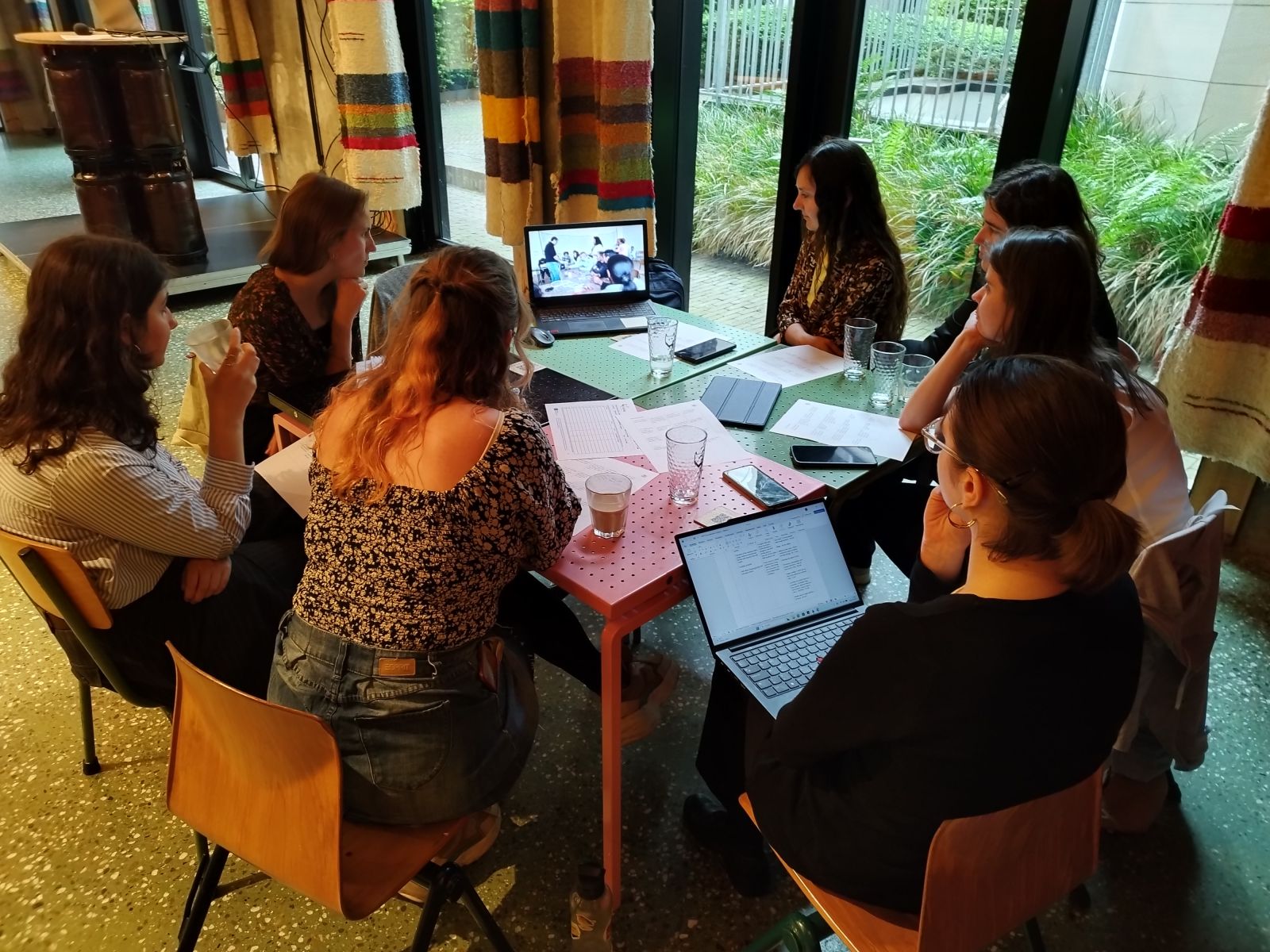
The first part of the workshop focused on the Roma community in Hungary and the issues they face. The participants watched a short video of the Lightbringers Foundation installing a small photovoltaic system on a house in poor condition in a segregated Roma settlement. This sparked a debate about how the energy transition could co-exist with vulnerability. Then, the second part of the workshop focused on single mothers, and the participants discussed various case studies, which were anonymized profiles developed based on interviews with single mothers and the problems they face in their daily lives, from energy to other forms of vulnerability.
WISE was funded by the European Union through the CERV program, and LIGHT was supported by the European Climate Foundation.